How I Learned I Was Offended
Some wounds are difficult to release because what happened was genuinely wrong.
You were betrayed by someone you trusted. Misrepresented by someone who knew the truth. Overlooked, rejected, or mistreated by someone who should have treated you better.
You are not imagining the hurt—and healing does not require you to pretend it did not happen.
But what happens when the experience is over, and the offense remains?
You replay the conversation. You imagine what you should have said. You wonder who believed the story.
Eventually, the offense begins taking more from you than the original experience did.
I Did Not Think Offense Was My Problem
I had never paid much attention to offense. I did not think it was something I would be susceptible to.
Naive, I know—but it truly was not something I thought about. Maybe I assumed that only blatant, egregious acts had the power to wound me deeply.
Then someone I trusted said something about me that was not true.
I thought I had forgiven them. I told myself I had moved on. But my body and my attitude told a different story.
I was grinding my teeth at night. A low, steady headache seemed to surface whenever the person’s name was mentioned. When they came around me, I felt an unmistakable sense of disgust and dislike.
Eventually, I had to admit that I had not forgiven this person. In fact, I was deeply offended by what they had done.
Deeply.
I needed to address it quickly because carrying those feelings was affecting me emotionally and physically.
I began praying honest prayers, writing in my journal, and discussing the offense with my therapist. When I say “honest prayers,” I mean that I called the person’s name and reminded God—in great detail—of what had been done to me.
All three helped tremendously.
What Hiding My Hurt Revealed
When I enacted my “Get Rid of Offense Action Plan,” I learned several valuable lessons. The most significant was that offense loses much of its power when I stop trying to hide the fact that I am hurt.
For me, hiding my offense was connected to pride.
Y’all, that was a whole other set of problems I needed to address. The Bible says that God resists the proud, and I certainly did not want God resisting me!
I could not heal from something I would not admit was hurting me.
So, I stopped pretending I was fine. I stopped using spiritual language to cover my anger. I stopped telling myself I had forgiven when my thoughts, feelings, and physical reactions indicated otherwise.
I told the truth:
Someone I trusted said things about me that were not true, and it hurt.
I kept wondering whether other people believed what was said. That made the pain even worse.
Naming the hurt did not make me weak, unforgiving, or spiritually immature. It gave me an honest place from which to begin healing.
Feeling hurt is a natural response to being wounded. Offense develops when that hurt settles into our hearts and begins shaping how we think, respond, and relate to others.
Over time, the wound becomes more than something that happened to us. It begins influencing who we are becoming.
I did not want that to happen to me.
If you recognize yourself in my story, you do not have to deny your hurt. But you also do not have to remain controlled by it.
In Part 2, I will share the three practices that became my “Get Rid of Offense Action Plan”: honesty, prayer, and journaling.
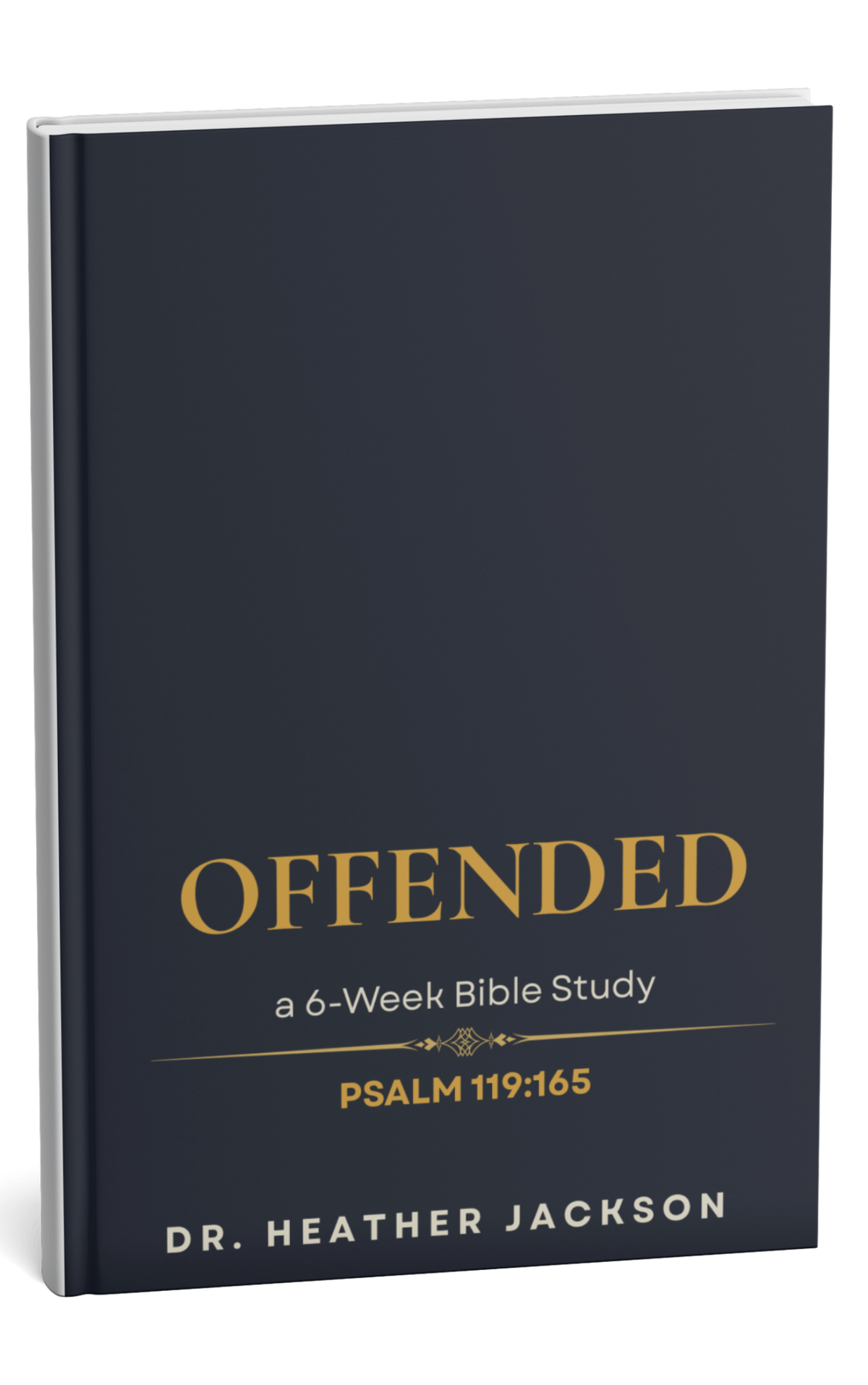
If you are ready to begin processing your hurt without being ruled by offense, explore OFFENDED: A 6-Week Bible Study on Living Free from Offense at livewellleadwhole.com.


Share:
What is More Important Than Being KNOWN?
OFFENDED: From Hurt to Freedom | Part 2 of 3 My “Get Rid of Offense Action Plan”